You want to do what’s best for your elderly loved one. Maybe you’ve supported them through a move into assisted living, set up home care for them, signed them up for a day program, or purchased games/supplies to get them involved in something – anything! But let me guess: you’re frustrated because they a) sleep for most of the day, b) watch TV all the time, c) tell you they’ve done activities when you know they haven’t, or d) tell you not to worry and that things are fine for them the way they are. Maybe a combination of all four?
I get it. 75% of my clients are seniors and many of their loved ones hire me because of difficulties they’ve had getting them involved in something engaging. The truth is, seniors are no different than younger folks in the sense that we all have preferences regarding our activity and we can all encounter barriers to motivation. What’s extra challenging for some seniors, however, is cognition and memory deficits that arise due to diagnoses like Alzheimer’s, dementia, Parkinson’s, or old age in general. Maybe your loved one had intended to do a word search but they forgot, or they think they’ve done it when they haven’t. Or maybe the combination of apathy, loneliness and anxiety that kicks in with a diagnosis like dementia makes participating in activity seem completely overwhelming for them. I can’t blame them!
From my experience, most individuals can find interest in some type of activity/pursuit, but they need the right approach. This requires lots of patience, repetition and occasionally a bit of harmless bluffing, but with the majority of my clients I’ve found a way in. This can often be easier for me as an outsider, someone they may have more difficulty saying no to or being completely honest with, but I truly feel that by implementing some of these tips you can encourage your loved one to take part in something meaningful for them.
Let’s jump in.
1. Re-frame the concept of “activity”
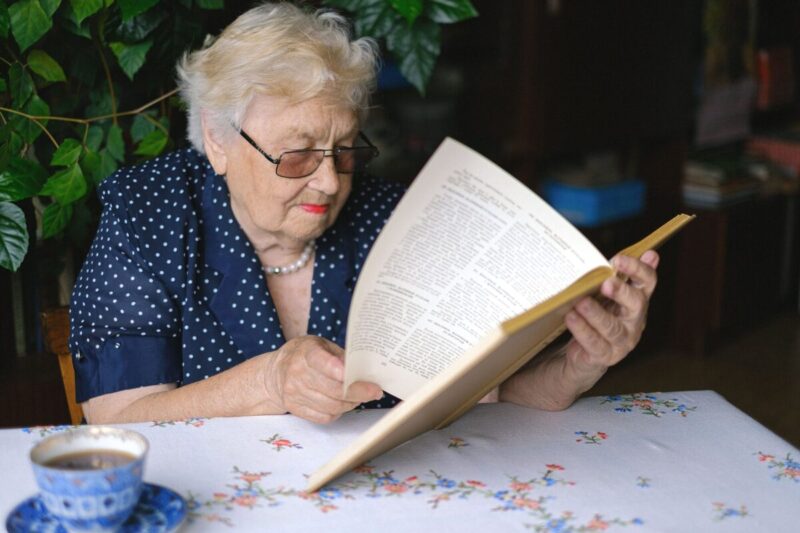
Sometimes when I recount my days as a Recreation Therapist to friends or family, there are action-packed descriptions of me taking clients on adventurous trail walks, guiding them through therapeutic swim sessions, visiting the local art gallery, or painting pictures together. However, many of my sessions are also filled with much quieter, less flashy pursuits like looking through a book on backyard birds with my 94-year-old homebound client who, well, loves birds. His physical mobility doesn’t allow me to take him for outings and his interests are far more intellectual than adventurous, and that suits us just fine. If I had promised his wife that I’d have him trekking across rocky terrain or cooking a 4-course meal during our sessions together, it would certainly make our sessions sound objectively exciting and like we were truly “doing” something. But my client doesn’t want to trek mountains or cook intensively at this point of his life nor can he. So I, as his guide, must zero in on the engagement that I can produce within him during our sessions. Instead of structuring our time around “doing” things, I think about how I can nourish his passions in a way that meets his abilities. Right now, that means I can bring him a variety of books on subjects he adores and we can spend time going through them together, watch supplemental YouTube videos to further immerse him in the subject, and watch live performances of his favourite classical music online. Simple things that are very much “action-less”, but tuned in deeply to his interests and emotional needs.

2. Re-frame the introduction of the activity
Lot’s of re-framing happening here, isn’t there? This one’s important. I have a lovely 85-year old client who hates feeling like she’s the one guiding our sessions. She absolutely does not want to be the one to decide if we go on a trail walk or venture to the library – it’s too much onus on her and she doesn’t want to put anyone out. She also doesn’t want an outing to be happening only because she chose it; she craves shared responsibility, and I totally get this! So, to gain her buy-in I often frame our outings as a way for herto support me: “Hey Karen, I’d love to visit the river walk today and it would be so nice if you’d join me for company – would you?” 9.5/10 times she agrees, and she’s been spared the responsibility of choosing. If you know your loved one’s triggers or avoidance strategies, my best advice is to re-frame your appeal to them. For example, if they’re averse to anything sounding child-like, present activity options for them using refined terms like sketchbook, coloured pencils, sculpting clay, or strategy game as opposed to colouring book, crayons, play-dough, or puzzle. Maybe the biggest barrier for them is the anticipated duration of an activity and the associated commitment this requires. In that case, I implement a “dip our toes in” approach; I suggest to my client that we give an activity a go for a couple minutes, see how they feel and that we can stop anytime. This often works and they typically get into the flow of things and forget about their tap-out option.
3. Get excited yourself
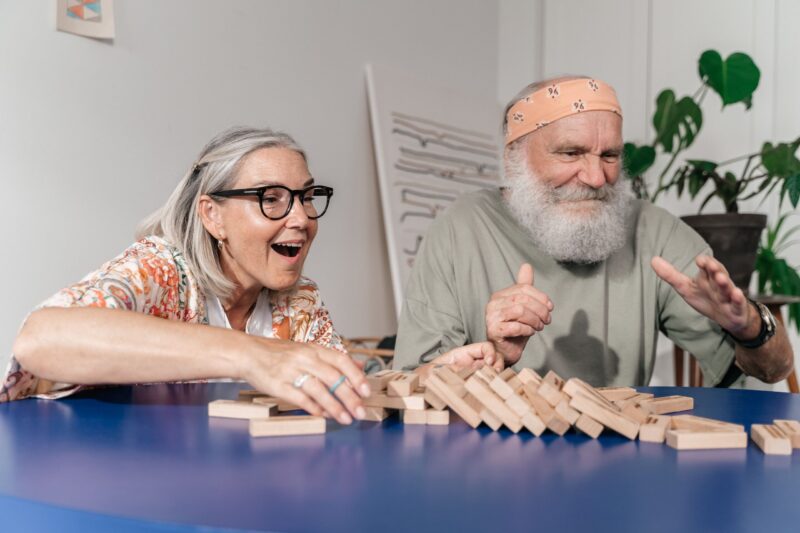
If you’re attempting to gain buy-in from your loved one, you have to be hyped about the activity yourself! This can sound like a big ask and feel performative if playing Scrabble isn’t the way you prefer to spend your afternoon. But I’ve found that even if my client adores an activity, if I’m not committed to it myself, the session will fall flat. You don’t have to hoot and holler with excitement, but being present and positive will go a long way.

4. Anticipate and alleviate anxiety
I struggle with anxiety myself, so I know that the most difficult part of an activity or outing is often the anticipation. How long will this take? Will I enjoy it? What if I’m not doing it right? What if I forget what to do or how to do it? With cognitive/ memory challenges, seniors may experience heightened anxiety and decreased confidence regarding activity – even if they were great at it before. Sequencing is extremely challenging for folks with dementia, so going through the steps of even a seemingly simple process like colouring can be overwhelming. Explaining the process in advance and confidently reassuring the person that there is no rush, no time limit and no expectation is crucial. Take your time, answer questions, guide them gently and re-introduce if they veer off-track. When I worked in brain injury rehab, one of my patients was struggling with an art group that she attended weekly. She would freeze and be unable to participate, and the rehabilitation therapists assigned to her were frustrated with her apparent unwillingness to try. When I attended the group with her for the first time, I put all my focus on reassuring her and easing her anxiety. We went slow, I explained and reminded her we were going at our own pace and she was able to relax and engage deeply with the group – it was lovely.
5. Identify their truest interests at this point in time
When trying to get a loved one involved in something, it can be tempting to default to hobbies or interests they held previously. To be honest, that’s usually where I start with a new client. I gather information from their families about their activity history and try to reintroduce some of it. But I’m never married to those interests and if it’s not clicking, I move on and will often try to introduce something novel. I’ve had clients’ loved ones insist on an activity that their parent loves, and have had to tell them that actually no, it’s not up their alley anymore. Preferences change, abilities change and cognition changes as we age, so remaining open to varied pursuits and not becoming disappointed or offended if their tried-and-true hobby no longer fits is so important.
It’s not always easy to engage an elderly loved one in enriching activity, and I’ve certainly met some potential clients who were adamant about watching their TV shows and avoiding any interference with their routines – this certainly happens. But most times, some level of engagement can be achieved with a shift in perspective and approach when it comes to activity and recreation. Good luck and happy playing!
– Kim


